Kudawella Beach – Beginner Surf Haven + R&R

Kudawella Beach has a very small, very easy wave for total beginners. Plus, it’s undeveloped and simply gorgeous. Come to learn and chill the Sri Lanka way.
An introduction to Kudawella Beach
Welcome to paradise, folks.
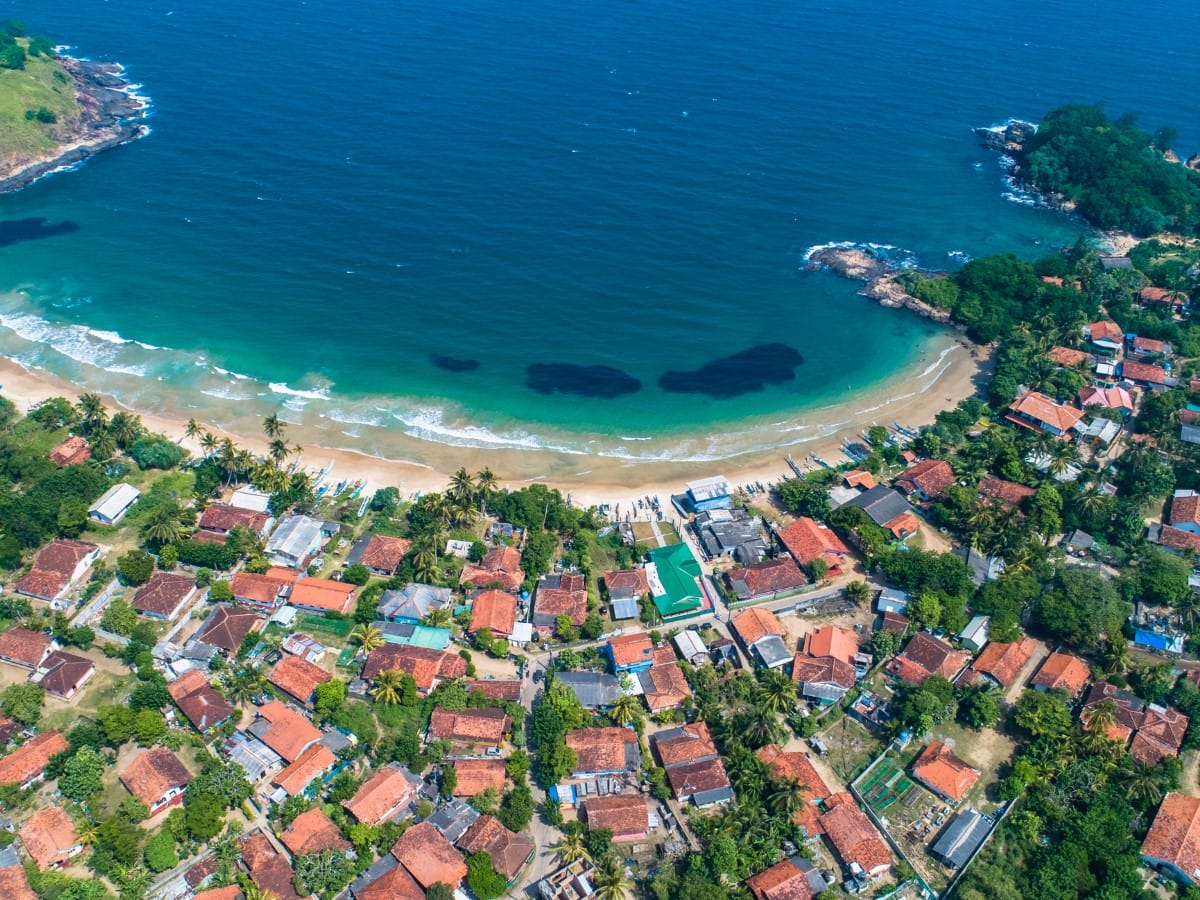
Kudawella Beach is a sickle-shaped bay fringed by mangroves and turtle nests. A few kilometers around from the one-time-secret that was Hiriketiya, it’s not entered the limelight in the same way and remains remote, unbusy, and frankly bloody lovely.
Gazes are beginning to move this way and there are some new hotels and restaurants. For now (and this is 2024 we’re writing this), it remains quiet and peaceful; perfect for long, lazy days on the sand, dips in the Indian Ocean, and all-round R&R.
When it comes to the surf, this is beginner only. And when we say beginner, we mean like 100% never-touched-a-board sorta’ beginner.
Kudawella Beach angles a little too east and is set too deeply into the headlands of South Sri Lanka to get any meaningful swells. The sets that do trickle in are mushy knee slappers. There’s a FANTASTIC local surf shack right on the shoreline that offers lessons and rentals for great rates.
You can also base yourself here for the chill factor and move to Hiriketiya to surf – the tuk-tuk is under 10 minutes and should cost around just 400 Rs.
We might use affiliate links in this post. Basically, you click em’ and we get a little something from your booking or purchase. They help us keep offering more and more in-depth surf guides to awesome places all around the globe. So, thanks for that!
This guide is just one part of our complete guide to surfing in Sri Lanka
What’s in this guide to Kudawella Beach?
Where is Kudawella Beach?
Kudawella Beach runs west to east along a bay on the southern coastline of Sri Lanka. The nearest major town is Dickwella, but the closest major tourist destination is the surf and chill mecca of Hiriketiya (which is now one of the most popular surf spots in this part of the island, and a mere 10 minutes’ tuk-tuk away).
Sadly, the famous southwestern coastal railway line of Sri Lanka ends long before Kudawella. You could travel to Matara on the line and then change to a tuk-tuk/taxi, but the truth is that’s some hassle.
Most people will opt for a direct transfer from the airport in Colombo to their hotel in Kudawella Beach – it takes around three hours, costs about $70-90, and means you can bring your surfboards (but you’ll have to clear that with the driver first).
Private transfers are also available from Ella for about $70.
If you’re already in Sri Lanka, then local buses are the cheap option. All the ones from Ella through to Galle will stop here and cost under $5 for even the longest rides. For easier trips, just get tuk-tuks – no drive is too long for the rickshaw folks of Lanka but be sure to haggle.
Things to do in Kudawella Beach
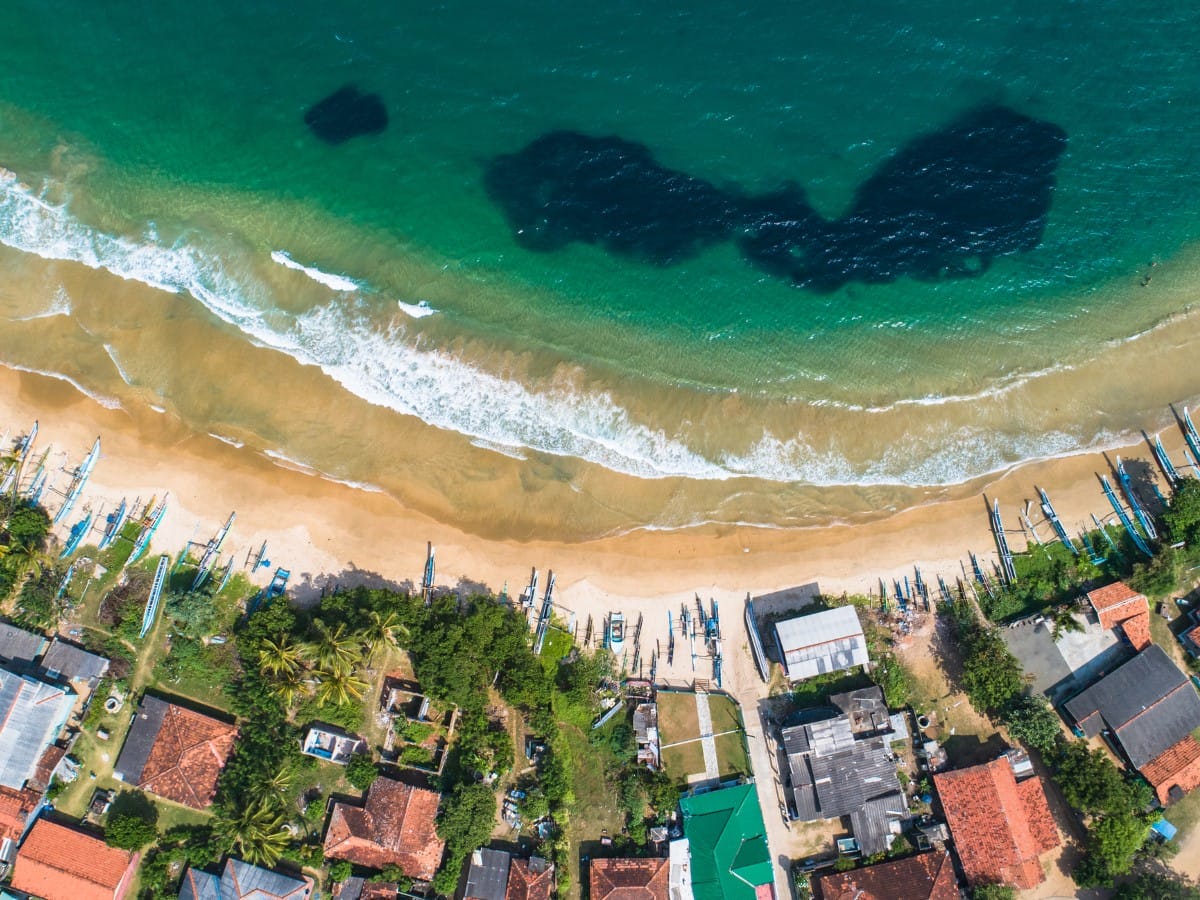
There’s not actually all that much to do at Kudawella Beach. That’s kind of the point, though. Like Tangalle to the east, this is a land primed for chilling and sunbathing and doing nada.
But there are a few local hotspots, some sights, and a couple of good activities to fill your time if you do get bored of lazing around (we’ll get to the surfing later, btw)…
Hummanaya Blow Hole
A walk to the end of the headland on the eastern side of Kudawella will bring you to the wonder that is the Hummanaya Blow Hole.
It’s the ONLY blowhole in Sri Lanka, and one of the largest known blowholes in the world.
Like geysers, the blowing happens every couple of minutes as pressure builds up in the tunnels in the rock from the movement of the sea.
There’s a viewing point on the top of the cliffs with safety barriers where you can stand and wait for it to go off. It’s not uncommon for the water to hit heights of over 20m!
Nilwella Beach
The beach one around to the east from Kudawella is Nilwella Beach. It’s reachable on foot along the side streets that hug the coast. If you do walk, take plenty of water and make breaks – it can get HOT.
The alternative is a quick 2-minute tuk-tuk. Just say Nilwella and they’ll know where to drop you. The beach itself is a very pretty one. It’s an isthmus of light blonde sand that pokes out into the sea, with lapping waves on either side.
From there, you can walk across to a rocky island filled with pandanus trees and palms, to hike a trail that reveals curious geological shapes and little coves.
Mawella Lagoon
The serene and lily-topped waters of the Mawella Lagoon sit just behind the main sands of Kudawella Beach.
There are a few super chilled hotels that offer waterside pools and massage rooms if you’re really keen to keep away from the crowds.
Alternatively, head up for a day to kayak around the lagoon spotting Sri Lanka’s incredible range of birds – beeaters, kingfishers, storks, and loads more make appearances here. As do, sometimes, crocodiles!
Surfing in Kudawella Beach
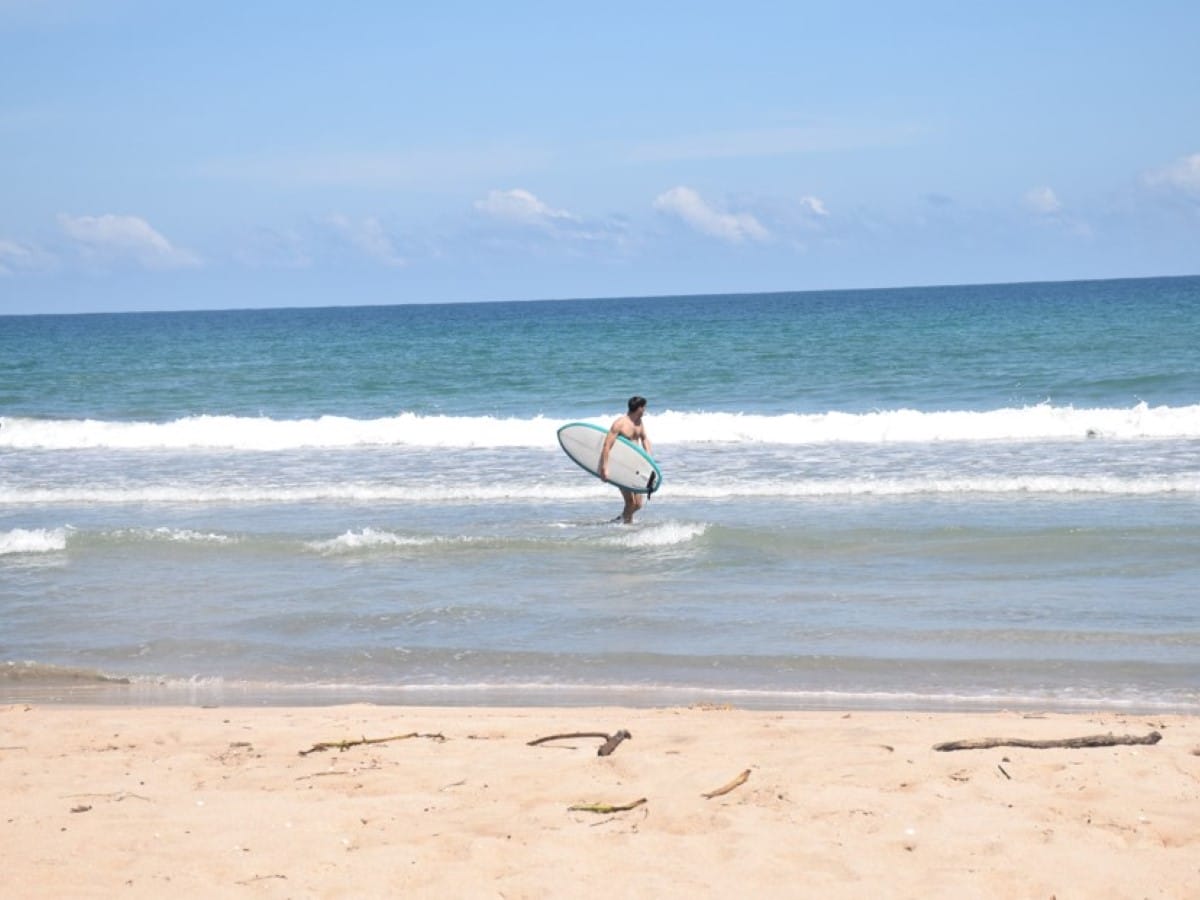
The surfing in Kudawella Beach is good for one thing: Beginners.
There’s no outer wave here like there is in nearby Hiriketiya. It’s just the beach break on the inside of the bay, and even that’s way more protected than Hiri’s.
The upshot? Waves in the peak dry season (Nov-March) rarely make it over four foot and they’re often fat, crumbly little things.
If you’ve never, ever surfed before and fancied giving it a go, this could be the PERFECT spot for you.
It’s definitely on the easier side of beginner locations, but for some people that’s just what’s needed to build confidence in the water and practice technique.
The only real hazards are a few rocks in the water that you can usually see real easy since the Indian Ocean is glass-clear in the peak season.
There are two surf rentals on the beach. Both have a good rep, but we have a soft spot for Saranga at Kudawella Surf School, who’s got a surfboard-shaped sign hanging about 100m along from the west end of the bay.
When you tire of how easy things are here – and they are easy – not to worry. As we’ve already mentioned like a gazillion times, Kudawella benefits from being like seven minutes in a tuk-tuk from Hiriketiya. Go there and you’ll find a central A-frame beach break that’s more challenging, and a left-hand point break reef that’s for intermediate+.
Where to stay in Kudawella?
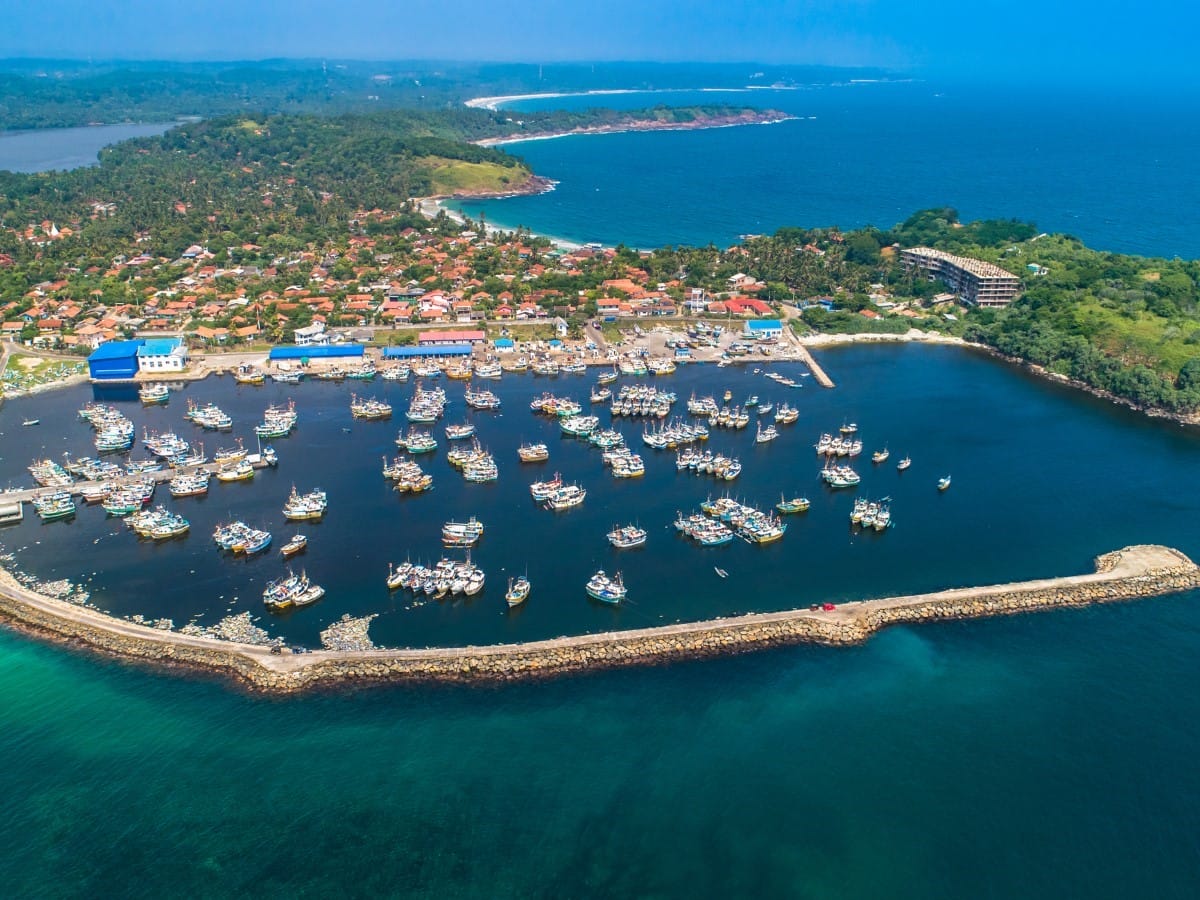
Kudawella isn’t built up like loads of the Southwest Coast. There’s still only two or three hotels hiding between the clusters of pandanus leaves and coconut trees. The good news is that it’s very much a case of quality over quantity.
There are two options: Stay on the beachfront or go to the lagoon behind where there are some more luxurious hotels with extra amenities.
We like the first cos’ it means being right on the surf, but we also see the attraction to those nice stays nearby – expect a 10-20-minute tuk-tuk from the lagoon to the sands.
Here are our recs:
- Calma – This is the one we always plump for on Kudawella Beach. It’s a stylish lodge on the sand front, with a touch of the Balinese bungalow aesthetic. The people who run it are lovely, the on-site café does cracking coffee and pastries, and the beach is literally steps from your suite. Even if you don’t wanna’ surf, a few days here promises true R&R.
- Simply Peace – This lux villa has bungalows and doubles that face the local lagoon. The pool is fantastic and you can do birdwatching from the garden. It’s a bit of a walk to the beach but is super duper relaxing.
- Sisi Place – The budget option, with simple, clean, and comfy rooms just up the hill from the west end (the best for surfing) of Kudawella Beach.
We have way more hotel suggestions for surfers in our guide to the top surf hotels in Sri Lanka.
When to visit Kudawella?
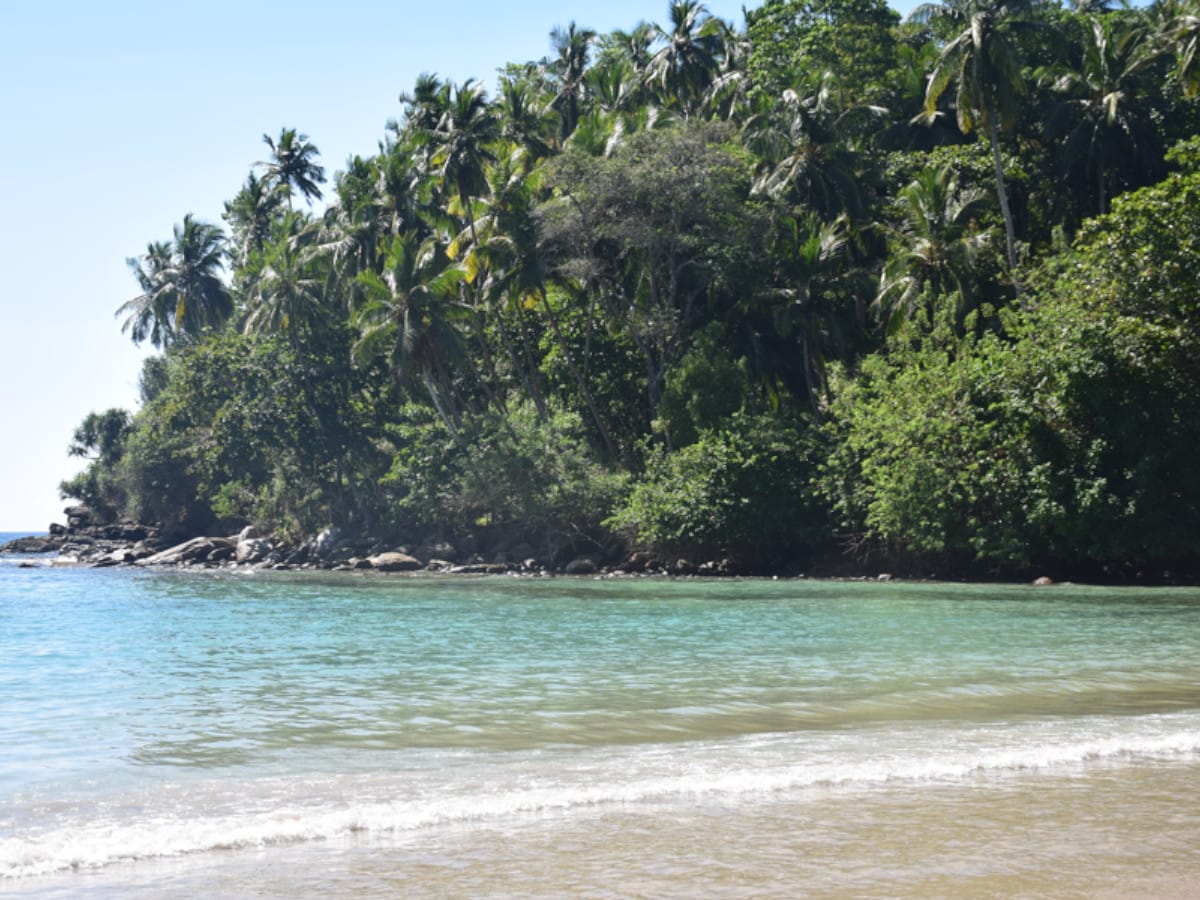
The dry season on the Sri Lankan southwest coast is the best time to visit Kudawella. That means the months between November and March.
During that time you can expect loads of sunshine and lots of cloudless skies, though it can often rain in short, sharp bursts during the “dry season” too (in fact, last years’ [2023] was really wet in this corner of the island throughout most of December, so it’s never guaranteed).
The low season runs from March to August and is generally the rainiest and stormiest time.
The best surf also comes with the dry season (Nov-March), when the SW ocean currents start firing and the biggest monsoon storms switch to the far eastern coast of Sri Lanka.
One thing we wouldn’t skip on is the sunscreen. I use Suntribe’s blocks because they’ve made a real effort to strip out any unneccessary chemicals. Plus, they offer Surf Atlas readers 10% orders with code Surfatlas10.
We might use affiliate links in this post. Basically, you click em’ and we get a little something from your booking or purchase. They help us keep offering more and more in-depth surf guides to awesome places all around the globe. So, thanks for that!
