Marseille Surf – The Ultimate Surf-Travel Guide

Marseille surf is about chasing big winter storm swells. The upside is that you get to surf in the Med and explore a wonderful city. The downside is that it’s fickle.
An introduction to Marseille surf
The sunny south of France and the city of Marseille might be better known for their celeb-speckled beaches and ancient port neighborhoods, but surfing is possible in these parts.
It’s a similar story to the Spanish Med around Barcelona and beyond: There can be some seriously fantastic waves; they just aren’t very common at all.
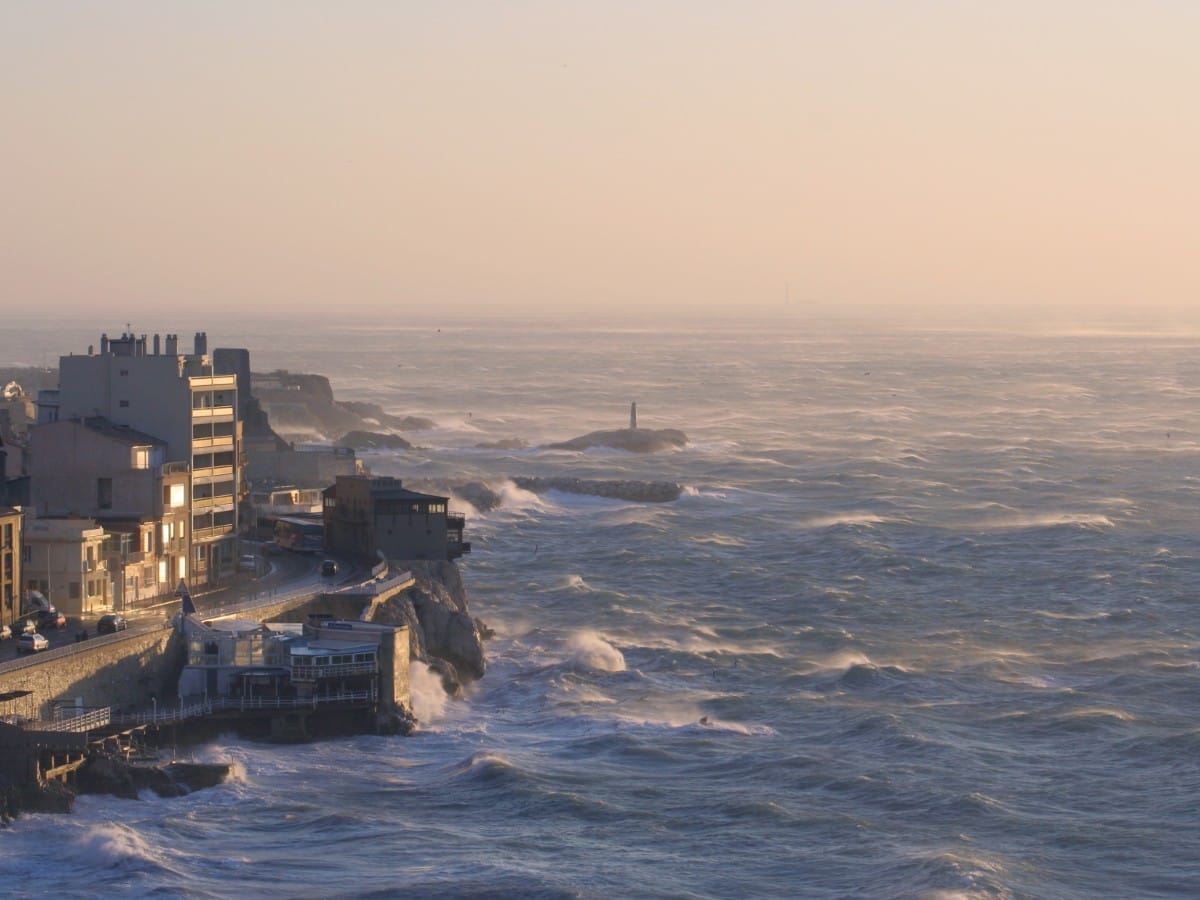
What you’re looking for is a combo of a wintertime Mediterranean cyclone known as a Medicane and the gusts of the Mistral wind. One pushes swell northwards from the depths of the Med. The other gives the strong offshores from the north. Bingo, Marseille surf starts a-kicking.
Of course, that means it’s very much a waiting game around here, though recent years (we’re writing this at the end of 2024) have offered plenty of workable days in and around the city.
And there’s the kicker, folks – you get to base yourself in a vibrant, energetic, gritty city.
One of the largest in France, it beckons with the maze-like old quarter of Le Panier (some 3,000 years old, no less), the moody fortress of Chateau d’if (from the Count of Monte Cristo) and some of the best dining and drinking in the country. Woop.
We might use affiliate links in this post. Basically, you click em’ and we get a little something from your booking or purchase. They help us keep offering more and more in-depth surf guides to awesome places all around the globe. So, thanks for that!
This guide is just one part of our complete guide to surfing in France
Marseille surfing at a glance
The good…
The bad…
What’s in this guide to Marseille surf?
Where is Marseille?
Marseille is on the Mediterranean coast in the far south of France. It’s often seen as the western end of the Cote d’Azur, or the French Riviera, sitting roughly midway between the Spanish border and the princely state of Monaco in the east.
You can fly straight here. The Marseille Provence Airport now handles upwards of 10 million passengers annually and has Ryanair and easyJet links to the UK and others going right across Europe. It’s 27km to the north of the city, linked to town by a direct train.
We prefer to ride the train, though. It’s now possible to go all the way from London to Marseille by Eurostar, involving one change of station in Paris, from the Gare du Nord to Gare de Lyon.
If you’re coming here mainly to surf (which we actually recommend you don’t because Biarritz or Hossegor and the west coast are far superior), a car hire is probably a must. They’re usually picked up at the local airport and start at around $30/day.
Surf spots in Marseille
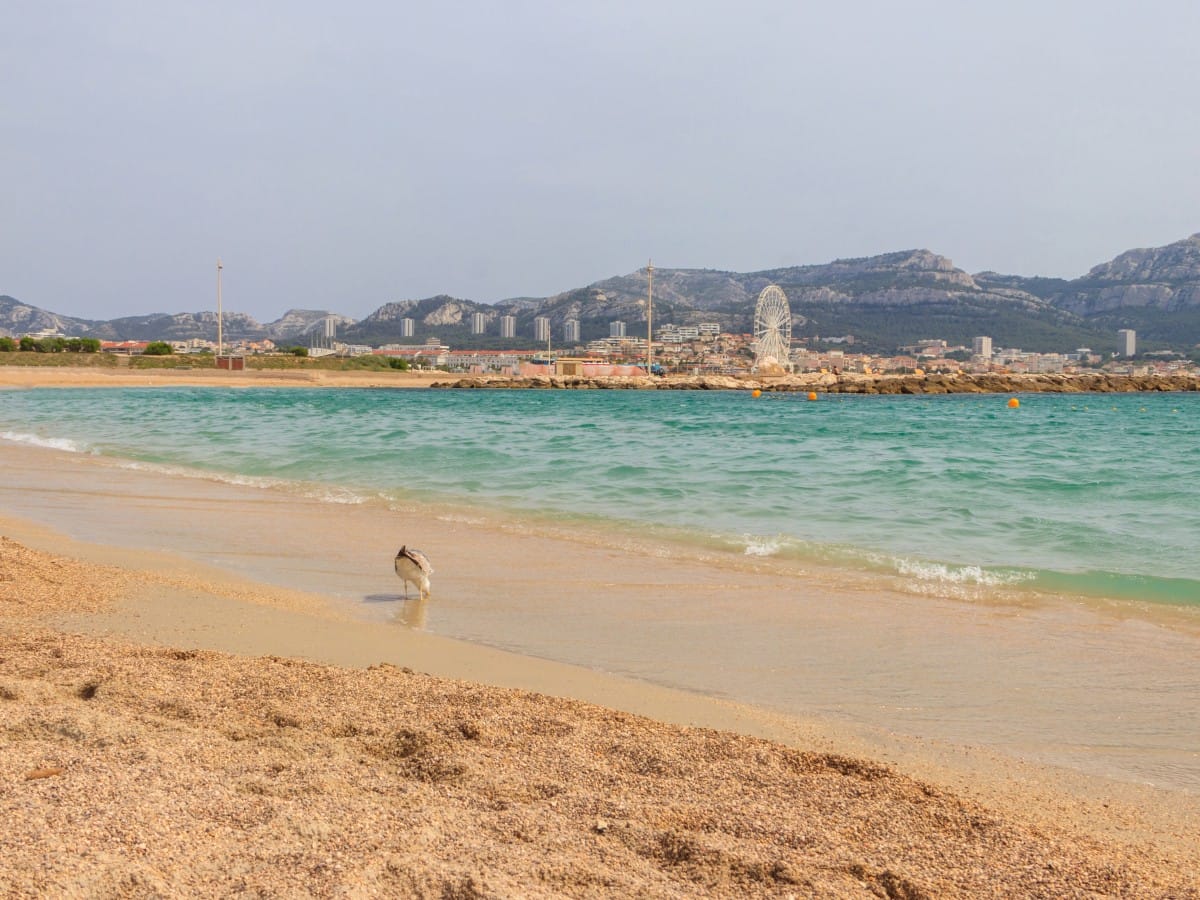
Marseille isn’t your obvious surf destination.
First off, it’s on the Med. Anyone who’s been to Europe in the winter will know that there are waves there. We’ll say this: They are a lot harder to come by than the Atlantic. (If you’re planning a full-on surf trip then it’s better to consider western France, which ranges from Brittany right down to the Basque Country).
You’ll be relying on windswell patterns, which can move either S or E through the Mediterranean Sea up into the Gulf of Lion where the city makes its home.
The good news is that the lie of the land around Marseille is generally good for surfing. If only there was groundswell, eh?
The coastline here is famously rocky and reefy. Patches of cobblestone and stone string below the high cliffs around the Calanques National Park, which has coves and point breaks that harness any windswell and funnel it into narrow inlets where you can get pretty fun, sometimes hollow waves on their day.
To the north of the city, around the northern edges of the Lion Gulf, the terrain gets flatter. There are long pebble beaches that work there, nicely diviied up by manmade breakwaters that offer decent wind protection and good shapes for incoming swell to form off.
In fact, the whole region is known for its calanques, which are deep limestone gorges forged where the mountains drop steeply into the sea. Some of them make for great surfing. Others not so much.
If we had to pick somewhere on the French Med to surf in, Marseille (and it’s greater region) would be it.
Here’s a look at all the spots on offer in the region.
La Couronne
The deep calanque at La Couronne needs the biggest winter swells to get working.
When it does, the shape of the bay will funnel the N mistral winds into a neat offshore channel and groom up the wedges, which are always better on the eastern end of the bay and can be seriously epic lefts that are fast and hollow, starting with a take off beside the rocks and coming right into the inside of the bay.
One of the best waves around Marseille but extremely fickle.
Tamaris
The long finger of Cap Malivet can shelter Tamaris cove from E and some NE wind but the bay is well open to any long-fetch medicane swell so it tends to work nicely throughout the winter (a few days a month will look decent).
The wave forms just outside the marina area as an A-frame but it’s a bit deceptive since the right usually closes out quickly, leaving a triangular left shoulder that forms and breaks, forms and breaks. Good for logging when it’s small and can even hollow out at the first section when it’s 2m+.
Plage de L’Hermitage
Plage de L’Hermitage will often turn to slop because it’s so exposed to the wind. But it can also be good fun when short-period windswells come through and start whacking against the breakwaters that divide up the bay.
There are lefts and rights here but we have to say the lefts are far better. Watch out for swimmers if you surf it in spring. There are often people here from May onwards.
La Prado
La Prado is the spot that’s given Marseille a bit of a nascent surf scene in the last few years. There were always rippers here but they’d make the trip along the bay to L’Hermitage or Tamaris most of the time. These days, you can do surf lessons in the city during the winter and we’d say it’s 99% guaranteed they will take place on La Prado.
Well-sheltered by both breakwaters and the rising hills of the city that poke up around it, it gets lots of wintertime slop. And it really is often slop. It’s rare that you get the strong E offshores to groom up the lines, so mush is the name of the game.
That suits the beginner crowd, who often pop by to practice in the sand-bottomed coves that string down in a halo from the Marseille Marina Plage de la Pointé Rouge. All of those beaches are included in the La Prado line up. Pick the one that’s working best or has the fewest people is our two cents.
Summer swells can pass by but be wary of swimmers – these are some of the busiest beaches in the city.
Plage du Liouquet
There’s a big gap in the coastline to the east of Marseille that’s dominated by the Parc national des Calanques. Write that off for surfing. The cliffs are just too steep and the bays too deep to give any waves of note. Plus, access is a huge issue.
Past all that, Plage du Liouquet is one of the first spots that works with those winter storms. It’s about 35 minutes’ driving out of the city past the pretty harbor town of La Ciotat.
The spot is actually just around the rocks from the beach itself, where a sliver of cobblestones gives way to a large limestone slab that’s below the water. That creates shapely left handers that peel over the reef. It’s pretty shallow so watch out where you lip out. Good fun for something with extra volume and there’s hardly ever a crowd.
Where to stay when surfing in Marseille?
We’re tempted to tell you to stay in the towns north of Marseille if you’re serious about surfing here. It’s just that those places will give better access to the top spots around the city if swell does come through.
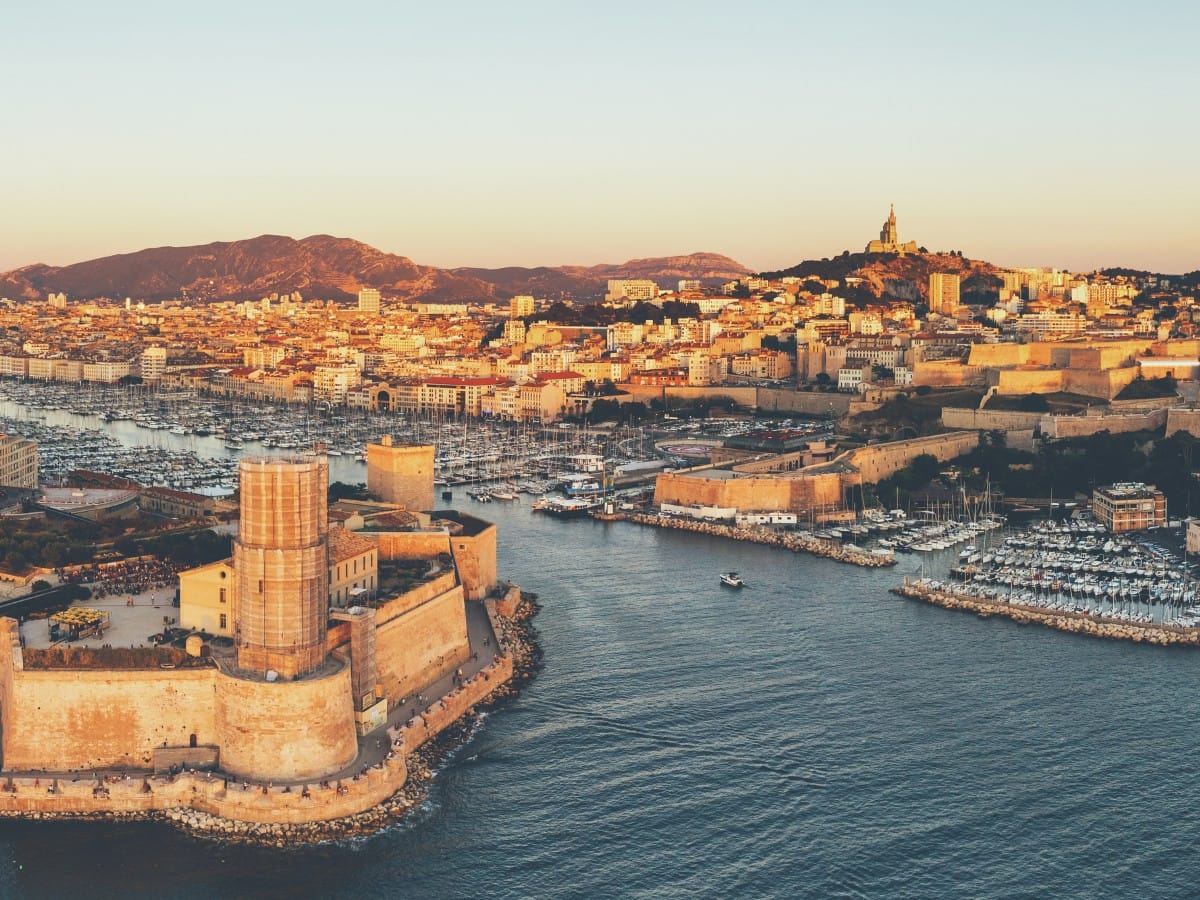
However, that would mean being outside the most famous areas, which are all pretty amazing, from the Vieux Port to the atmospheric district of Le Panier.
So, we’ve gone for options in both. The first places here are nearer the surf. The last is our top pick hotel inside the city itself…
- Un Balcon Sur La Mediterranée – A colorful pad that puts you close to the vibrant inner-city areas but also the surfable beaches of La Prado (which are a short drive to the south). It can sleep up to four people, has a nice kitchen and lounge space, but the piece de resistance is that balcony overlooking the Med.
- Love & Sunsets Suite – This gorgeous couples’ bolthole is right between the best coves and beaches for surfers north of the city. It’s got a hot tub, a pull-down cinema screen, and a charming outside space with its own board rack! It’s also super stylish.
- Mas Contemporain classée 3 étoiles -Piscine-A 400 m de la mer – For families, this stunning Provencal villa can’t be beaten. It has a pool and a garden, a big kitchen, and is less than 400m from the nearest beach.
If you’re trying to plan a serious surf trip to France, then the west coast is definitely the better choice. Over there, you’ll find the best surf camps in the country, which offer tailor-made packages for beginners and improvers.
Other must-do things in Marseille (other than surfing)
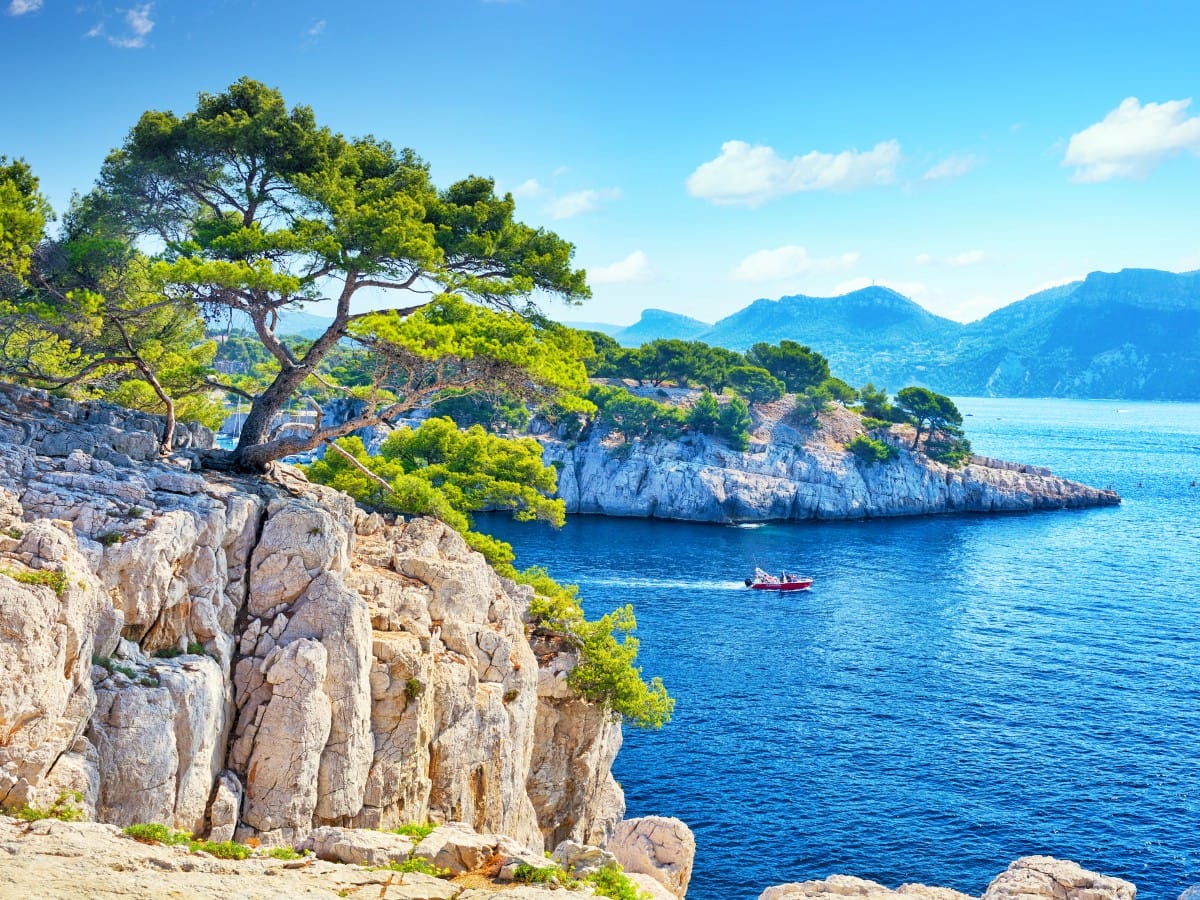
Look, we’ll be honest: There’s a good chance you’ll get skunked in Marseille. Waves, especially good ones, are rare in this corner of Europe.
Now, we sincerely hope that doesn’t happen if you’re hoping for a surf, but the good news is that there’s shed loads to get through for the adventure loving traveler in these parts.
A trip to the nearby national park was one of the highlights of our trip.
- Sailing and wine tour of the Calanques National Park – This was an exceptional outing. You board a proper yacht with a classic sail setup and venture into the national park the only way you should: By boat. There are multiple stops to swim in incredible coves that are solid to reach by foot. Plus, you get lunch and French wine thrown in for good measure.
- Calanques National Park Guided Hike – If you prefer sticking to land, and that can be a better way to go in the depths of winter when the Med can be rough, go for this guided hike in the Calanques. You’ll still get to appreciate the rugged coastline there and see some secret beaches but won’t have to brave the wild seas.
- Le Panier – You will want to see this neighborhood. Na, scratch that. You will want to get lost in this neighbourhood. It’s one of the oldest in the whole of Europe, with a maze of streets that cross each other north of the old port. Enjoy the pastel-painted houses and the fish markets. Just be wary of your valuables – a mate had his phone nicked!
When to surf in Marseille?
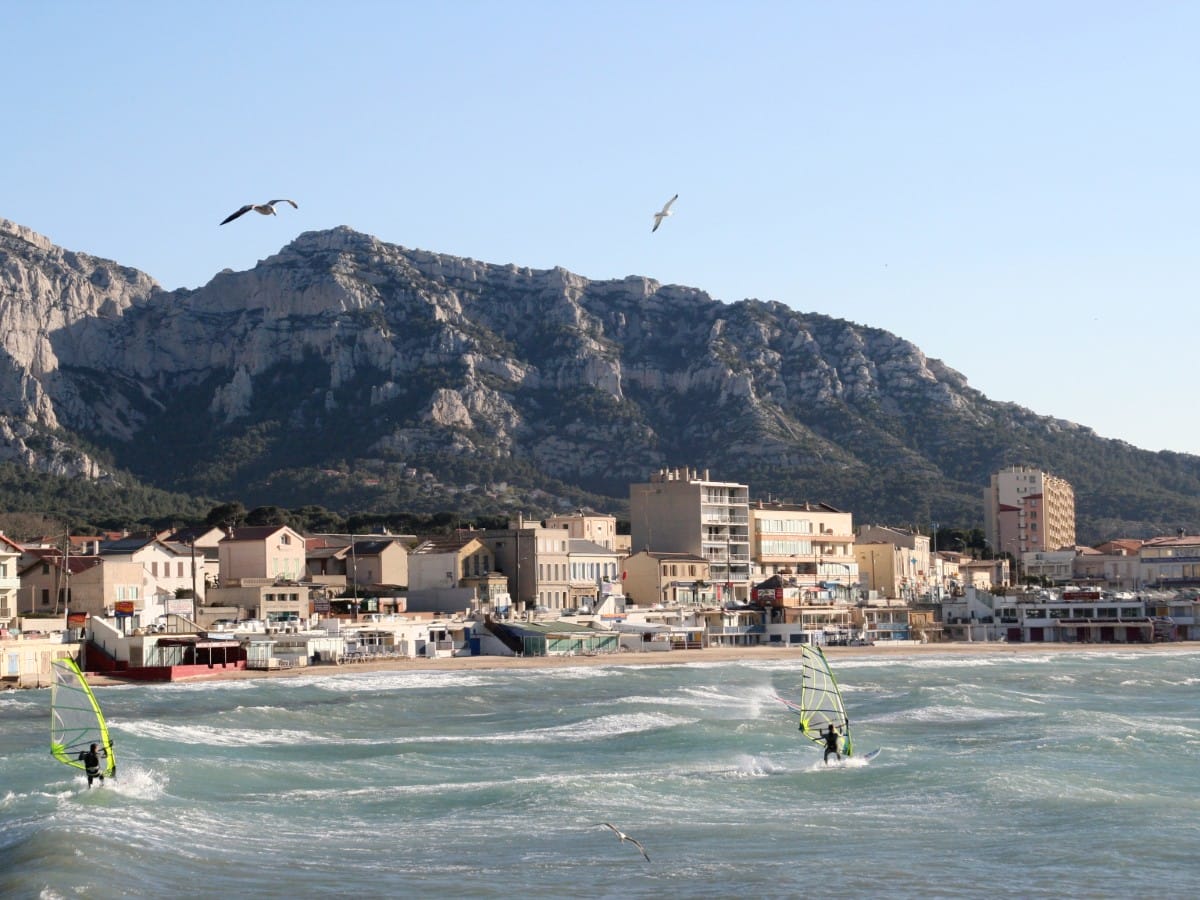
The winter is the only decent time to surf in Marseille, so visit between November and January if you want to get in the water.
It’s windswell that feeds the whole of the Marseille coast and the rest of the Med to be honest, which means you’re looking for the biggest low-pressure systems of the year to be in with the best chance of big waves and good conditions. They come with the arrival of late autumn and then slacken off again in early spring.
The best months of all for surfing in Marseille are January and February. They offer a mix of blustery days when everything is blown out, but also those key moments when the tails of typhoon moving around Sicily and Greece will send stronger windswells into the bays and it will crash into the Mistral winds that blow from the N (that’s offshore on the best beaches around the city).
We might use affiliate links in this post. Basically, you click em’ and we get a little something from your booking or purchase. They help us keep offering more and more in-depth surf guides to awesome places all around the globe. So, thanks for that!
